Macronutrients Part 2: Why They Matter and How They Work
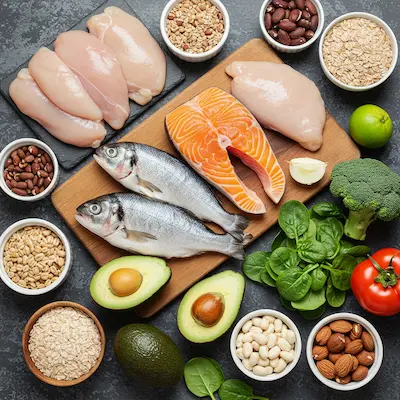
The Role of Macronutrients in Your Body
Your body is made of trillions of cells, and each cell needs energy and materials to work. Macronutrients provide that. Carbohydrates fuel your brain and muscles. Proteins help build and repair your body. Fats support hormones, cell walls, and long-term energy.
Carbohydrates: Quick Fuel
Carbohydrates break down into glucose (easy and fast digested form of sugar), which your brain and muscles use immediately. Sources include fruits, rice, oats, pasta, and whole grains. Even in picky eaters, getting enough carbs helps avoid fatigue, poor focus, and mood swings.
Proteins: The Body’s Building Blocks
Proteins are made of amino acids, which your body uses to build muscle, skin, enzymes, and even parts of your brain. Think of protein as the repair crew. Sources include eggs, chicken, tofu, dairy, beans, and fish.
Fats: Not All Bad
Healthy fats support brain development, hormones, and cell function. Avoid trans fats, but include sources like olive oil, nuts, fatty fish, and avocado. Kids need fats for growth—don’t skip them.
Balancing Macronutrients
A balanced plate includes all three macronutrients. Each has a job—energy, repair, and protection. If one is missing or too low (especially with ARFID), it can affect growth, immunity, focus, and even sleep.
Tips
- Try a food game with kids: 'Which food is energy? Which food is repair?'
- Offer a plate with one food from each macronutrient group.
- Make sure each meal or snack has at least 2 of 3 macronutrients.
- Fruits and vegetables give you carbohydrates, but the fiber in them slows down sugar absorption. This helps keep your energy steady and your gut healthy.
- If your body runs low on carbs, it can turn protein (from foods like meat, eggs, or beans) into glucose for energy. But your body prefers to use protein for growth and repair, not as its main energy source.
- Whole grains, fruits, and veggies have more fiber and nutrients than sugary snacks or white bread. Choose these for longer-lasting energy.
- Healthy fats (like those in nuts, seeds, olive oil, and fish) help your brain and body grow and work well.
- At each meal, try to include foods from at least two macronutrient groups (carbs, protein, fat). Example: Oatmeal (carb) with nuts (fat/protein), or chicken (protein) with rice (carb) and avocado (fat).
Content Framework
BiteToBalance is a prevention-focused wellness tool for education and self-management support only, not a replacement for clinical care.
Last reviewed: 2026-02-19
Reviewer role: Clinical Content Team
Evidence level: Mixed evidence
Safety Signposting
If symptoms are severe, worsening, or you are worried about immediate safety, seek urgent medical care via local emergency services.
Red flags
- Symptoms that interfere with daily eating, hydration, or growth
- Ongoing pain, fatigue, dizziness, or persistent gastrointestinal issues
- Escalating anxiety or distress around food and mealtimes
What to do next
- Track patterns in food, symptoms, and oral health over time
- Discuss concerns with a qualified healthcare professional
- Use this article as educational support, not diagnosis