How Oral Health Impacts ARFID
The Overlooked Link
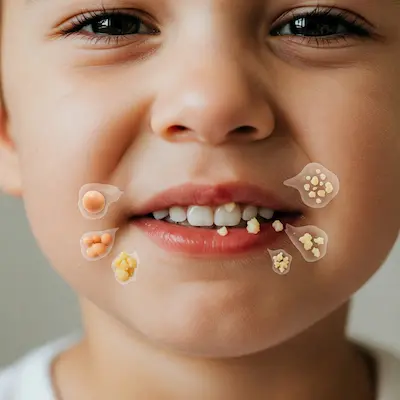
Children with ARFID often have undetected dental or oral-motor issues. Even minor pain or discomfort from cavities, gum problems, high risk of caries or reflux can lead to complete food refusal. All that could lead to poor oral health.
Common Oral Triggers in ARFID
- Tooth decay or sores causing pain
- Bleeding or sensitive gums or swollen gums (gingivitis)
- Weak chewing or swallowing muscles
- Burning from reflux or acidic saliva
- Strong gag reflex or oral hypersensitivity
Why It Gets Missed
Many children won’t verbalize oral discomfort, especially those with limited communication. Instead, they avoid food or restrict textures, often labeled as 'picky eating.'
What to Do About It
Schedule a pediatric dental exam. If oral-motor delays or sensory aversions are present, a feeding therapist or speech-language pathologist (SLP) can guide gentle desensitization and oral-motor support.
Don't Skip the Dentist
- A thorough dental check can find hidden causes of food refusal.
- Prevention is key, early treatment can reduce feeding trauma.
- If a child suddenly refuses previously accepted foods or avoids certain textures, check for hidden oral discomfort.
- Pain isn't always verbalized — behavior change is often the first clue.
Content Framework
BiteToBalance is a prevention-focused wellness tool for education and self-management support only, not a replacement for clinical care.
Last reviewed: 2026-02-19
Reviewer role: Clinical Content Team
Evidence level: Mixed evidence
Safety Signposting
If symptoms are severe, worsening, or you are worried about immediate safety, seek urgent medical care via local emergency services.
Red flags
- Symptoms that interfere with daily eating, hydration, or growth
- Ongoing pain, fatigue, dizziness, or persistent gastrointestinal issues
- Escalating anxiety or distress around food and mealtimes
What to do next
- Track patterns in food, symptoms, and oral health over time
- Discuss concerns with a qualified healthcare professional
- Use this article as educational support, not diagnosis