Plaque Prevention Basics: Stop Gum Problems Before They Start
💊 Quick Take
- Plaque is a sticky bacterial film that builds up every day.
- If not removed, plaque can lead to gum inflammation and tooth decay.
- Daily brushing plus once-daily interdental cleaning is the core prevention routine.
Read the full guide below for more context.
Plaque forms naturally on teeth and along the gumline. It is soft, sticky, and full of bacteria. If plaque is not removed daily, the gum tissues can become inflamed and bleed more easily. Over time, ongoing inflammation may contribute to periodontitis and tooth-support damage.
Think of plaque as a daily biofilm. It reforms quickly, so prevention depends on consistent daily disruption rather than occasional deep cleaning.
Why plaque matters
- Plaque bacteria produce acids that weaken enamel and raise cavity risk.
- Plaque at the gumline can trigger gingivitis (early gum inflammation).
- Long-term poor plaque control can increase periodontitis risk.
- Inflamed gums can make eating and oral hygiene harder, creating a cycle.
Daily prevention routine
- Brush twice daily with fluoride toothpaste for about 1-2 minutes.
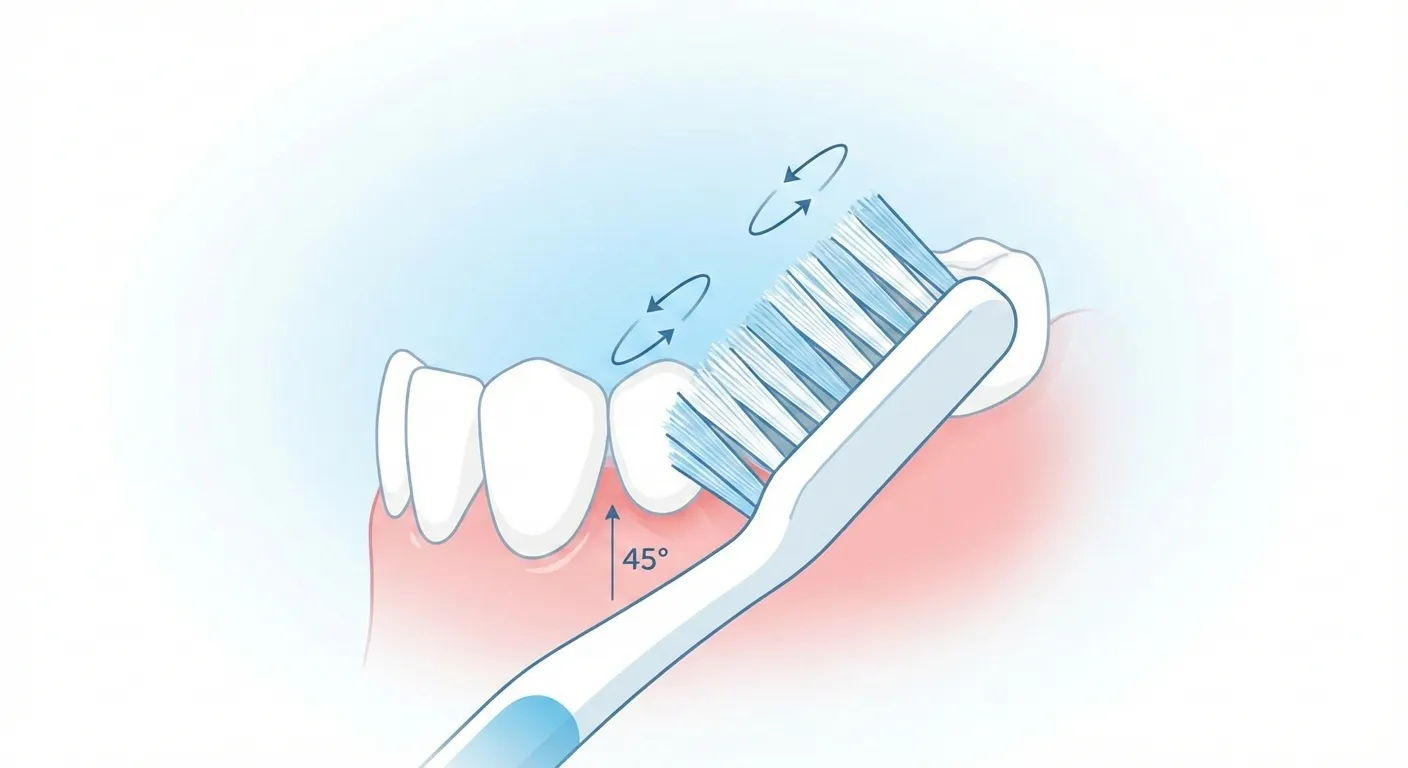
- Hold the brush at about 45 degrees to the gumline and use gentle circular motions.
- Clean between teeth once per day (floss and/or interdental brush as needed).
- After brushing, spit out toothpaste but do not rinse with water/mouthwash to allow fluoride to work.
- Do not be discouraged by light bleeding when restarting good cleaning - it often reflects inflammation and should improve with gentle, consistent technique.
- Reduce frequent sugary snacks and drinks between meals.
- After acidic foods or drinks, wait 30-60 minutes before brushing and rinse with water meanwhile.
- Book regular dental checks and hygiene reviews based on your risk profile.
Practical hints
- Tongue check: if teeth feel fuzzy, plaque is still present; clean surfaces often feel smoother.
- Frequency matters: repeated sugary/acidic snacks can increase risk even if portions are small.
- If helpful, start with a short dry-brush focus pass to find plaque-heavy areas before full brushing.
Progress over perfection
- Consistency matters more than doing everything perfectly.
- Small daily habits usually outperform occasional intensive cleaning.
- If sensory sensitivity is a barrier, adapt tools and timing rather than stopping care.
“Plaque prevention is not about doing more - it is about being consistent.”
Content Framework
BiteToBalance is a prevention-focused wellness tool for education and self-management support only, not a replacement for clinical care.
Last reviewed: 2026-02-19
Reviewer role: Clinical Content Team
Evidence level: Guideline-based
Safety Signposting
If you have severe swelling, spreading facial pain, fever, or difficulty swallowing, seek urgent medical or dental care immediately.
Red flags
- Persistent gum bleeding despite improved cleaning
- Tooth pain, swelling, or bad taste with fever
- Loose teeth or gum recession that is getting worse
What to do next
- Book a dental review for persistent symptoms
- Track bleeding/pain patterns for 1-2 weeks
- Use this guidance for education, not diagnosis