Understanding Nutritional Deficiencies in ARFID
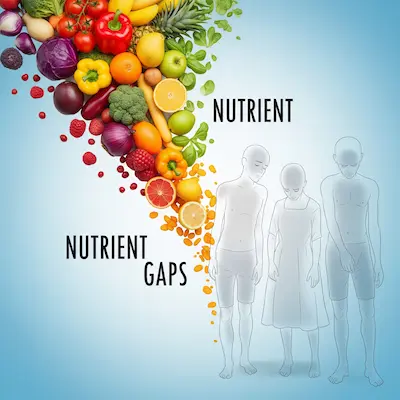
When food intake is limited or restricted, as it often is with ARFID, the body may not receive all the essential nutrients it needs to function properly. These nutrients—vitamins, minerals, proteins, healthy fats, and carbohydrates—are crucial for everything from energy levels and brain function to growth and immune system health. Nutritional deficiencies can develop even when someone appears to be a healthy weight, making them a hidden but serious concern in ARFID.
Why Deficiencies Occur in ARFID
ARFID typically involves avoiding entire food groups due to sensory issues, fear responses, or lack of interest in food. Someone might avoid all fruits and vegetables (missing vitamins A, C, and fiber), all meats (lacking iron, B12, and protein), or all dairy products (missing calcium and vitamin D). Unlike typical picky eating, ARFID restrictions are severe enough to significantly impact nutritional intake and overall health.
Weight Isn't the Whole Story
- Someone with ARFID can maintain a normal or even higher weight while still experiencing serious nutritional deficiencies.
- This happens when the accepted foods are high in calories but low in essential nutrients (like processed snacks, refined carbs, or sugary drinks).
- Never assume adequate nutrition based on weight alone—dietary variety is equally important.
Common Nutritional Deficiencies & Their Warning Signs
While specific deficiencies depend on individual dietary patterns, certain nutritional gaps appear frequently in ARFID:
- Iron Deficiency (Anemia): Fatigue that doesn't improve with rest, weakness, pale skin (especially around eyes and gums), dizziness, cold hands and feet, difficulty concentrating, unusual cravings for ice or starch.
- Vitamin C Deficiency: Slow-healing cuts or bruises, bleeding or swollen gums, frequent infections, fatigue, joint pain, rough or bumpy skin.
- Vitamin B12 Deficiency: Extreme fatigue, weakness, numbness or tingling in hands and feet, difficulty with balance or walking, memory problems, mood changes or depression, developmental delays in children.
- Vitamin D & Calcium Deficiency: Bone pain, muscle weakness, frequent fractures, dental problems, delayed growth in children, increased susceptibility to infections.
- Vitamin A Deficiency: Difficulty seeing in dim light (night blindness), dry eyes, frequent infections, slow wound healing, skin problems.
- Zinc Deficiency: Slow growth in children, hair loss, poor wound healing, frequent infections, loss of appetite, skin rashes.
- Protein Deficiency: Muscle loss, weakness, slow growth, swelling (especially in feet and ankles), frequent infections, poor concentration.
- Fiber Deficiency: Chronic constipation, irregular bowel movements, feeling full quickly, blood sugar fluctuations.
Recognizing Deficiencies in Daily Life
Pay attention to patterns that might indicate nutritional issues:
- Energy Levels: Persistent fatigue, especially if sleep is adequate
- Mood Changes: Increased irritability, anxiety, or depression that seems unrelated to life events
- Physical Symptoms: Frequent headaches, getting sick often, slow healing of minor cuts
- Cognitive Issues: Difficulty concentrating, memory problems, or declining academic/work performance
- Growth Concerns: In children, falling off growth charts or delayed development milestones
- Digestive Issues: Chronic constipation, stomach pain, or changes in bowel habits
When to Be Concerned - Red Flags
- URGENT: Severe fatigue with rapid heartbeat, difficulty breathing, or fainting episodes
- URGENT: Significant mood changes including thoughts of self-harm
- CONCERNING: Symptoms lasting more than 2-3 weeks without improvement
- CONCERNING: Multiple symptoms appearing together (like fatigue + frequent infections + mood changes)
- MONITOR: Any new physical or emotional symptoms in someone with very limited food variety
Professional Assessment and Testing
Getting a proper nutritional assessment involves several steps:
- Medical History: Your healthcare provider will review symptoms, dietary patterns, and family history
- Physical Examination: Checking for signs like pale skin, dental problems, or growth issues
- Blood Tests: Comprehensive panels can measure levels of vitamins, minerals, and proteins. Common tests include complete blood count (CBC), iron studies, vitamin B12, vitamin D, and comprehensive metabolic panel
- Dietary Analysis: A registered dietitian will review food intake patterns to identify specific nutritional gaps
- Growth Assessment: For children and teens, tracking growth patterns over time
Addressing Deficiencies Safely
Treating nutritional deficiencies in ARFID requires a careful, professional approach:
- Work with ARFID-Experienced Professionals: Seek registered dietitians who understand ARFID and won't simply tell you to 'eat more variety.' They'll work within your current food acceptance while gradually expanding options.
- Immediate Supplementation: For severe deficiencies, supplements or fortified foods may be necessary initially. This should always be supervised by healthcare providers to avoid interactions or over-supplementation.
- Food-Based Solutions: The goal is meeting nutritional needs through food when possible. This might involve fortifying accepted foods (like adding protein powder to tolerated smoothies) or finding acceptable alternatives.
- Gradual Diet Expansion: Using techniques like food chaining to slowly introduce nutrient-dense foods similar to those already accepted.
- Monitor Progress: Regular follow-up blood tests and dietary assessments to track improvement and adjust treatment plans.
Prevention Strategies
While working on expanding food variety, you can help prevent deficiencies:
- Fortify Accepted Foods: Add protein powder to smoothies, use vitamin-fortified milk or plant alternatives, choose enriched cereals or breads
- Focus on Nutrient-Dense Options: When possible, choose the most nutritious versions of accepted foods (whole grain crackers vs. refined, real fruit vs. fruit snacks)
- Consider Safe Supplementation: With medical guidance, basic multivitamins can help fill gaps while working on food expansion
- Optimize Absorption: Some nutrients work better together (vitamin C helps iron absorption), while others compete (calcium can reduce iron absorption if taken together)
- Stay Hydrated: Proper hydration supports nutrient absorption and overall health
What to Expect During Treatment
Recovery from nutritional deficiencies takes time:
- Immediate Relief: Some symptoms (like fatigue from iron deficiency) can improve within days to weeks of treatment
- Full Recovery: Complete restoration of nutrient stores typically takes 2-6 months depending on the severity
- Ongoing Monitoring: Regular check-ups ensure deficiencies don't return and treatment is working
- Gradual Food Introduction: Expanding dietary variety is a long-term process that happens alongside deficiency treatment
Hope and Encouragement
- Nutritional deficiencies can feel overwhelming, but they are treatable with proper support.
- Many people with ARFID successfully address deficiencies while gradually expanding their diets.
- Small improvements in nutrition can lead to significant improvements in energy, mood, and overall well-being.
- You don't have to figure this out alone—healthcare professionals experienced with ARFID can make a huge difference.
“Addressing nutritional deficiencies is about more than physical health—it's about improving energy, mood, concentration, and overall quality of life. With professional guidance and patience, both deficiencies and the underlying food restrictions can be successfully managed.”
Next Steps
If you suspect nutritional deficiencies, start by scheduling an appointment with your healthcare provider. You can also explore Understanding Food Chaining, Finding an ARFID Dietitian, and Malnutrition Basics and Red Flags. Remember, getting proper nutrition while managing ARFID is possible with the right support and approach.
Content Framework
BiteToBalance is a prevention-focused wellness tool for education and self-management support only, not a replacement for clinical care.
Last reviewed: 2026-02-19
Reviewer role: Clinical Content Team
Evidence level: Peer-reviewed
Safety Signposting
If you notice urgent red flags such as fainting, severe dehydration, confusion, or self-harm concerns, seek immediate emergency care.
Red flags
- Rapid weight loss or growth faltering
- Persistent refusal to eat/drink with dehydration signs
- Fainting, severe weakness, or concerning heart symptoms
What to do next
- Arrange GP/primary care review promptly
- Request multidisciplinary support when needed (dietetic, mental health, dental/oral)
- Use this article to prepare clear questions for your clinician