The Gut-Brain Connection in ARFID: More Than Just a Feeling
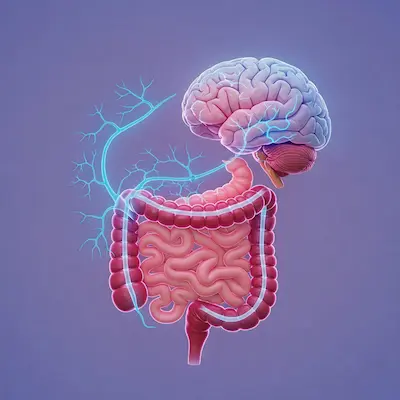
The saying 'gut feeling' is more than just a metaphor. Our gastrointestinal system and brain are in constant, dynamic communication, forming what's known as the gut-brain axis (GBA). This bidirectional highway influences everything from digestion and mood to appetite and stress responses. For individuals with ARFID, understanding this connection can offer new perspectives and avenues for support.
The Gut-Brain Axis: A Quick Tour
The GBA involves several communication pathways:
- The Vagus Nerve: A primary information route, sending signals directly between the gut and brain.
- Neurotransmitters: Many neurotransmitters, like serotonin (often called the 'happy chemical'), are produced in large quantities in the gut and influence mood and gut motility.
- The Gut Microbiome: Trillions of bacteria in our gut produce metabolites that can affect brain function, inflammation, and stress responses.
- The Immune System: Gut health significantly impacts the immune system, which in turn communicates with the brain and can influence inflammation levels throughout the body.
How ARFID Can Impact the Gut-Brain Axis (and Vice-Versa)
The relationship between ARFID and the GBA is often a complex cycle:
- Limited Diet & Microbiome Diversity: Highly restrictive diets common in ARFID can lead to a less diverse gut microbiome. A less diverse microbiome may be linked to altered mood, increased anxiety, and changes in appetite regulation.
- Sensory Sensitivities & Gut Discomfort: Some individuals with ARFID experience genuine gastrointestinal discomfort (e.g., pain, bloating, altered bowel habits) related to certain food textures or components. This discomfort sends negative signals to the brain, reinforcing food avoidance.
- Stress & Anxiety: The anxiety and stress associated with ARFID can directly impact gut function through the GBA, potentially leading to symptoms like nausea, altered motility (diarrhea or constipation), and increased gut sensitivity. This can create a vicious cycle where anxiety worsens gut symptoms, and gut symptoms worsen anxiety.
- Inflammation: An imbalanced gut microbiome or chronic stress can contribute to low-grade inflammation, which has been linked to changes in mood and brain function.
- Nutrient Deficiencies: Lack of certain nutrients due to a restricted diet can impair both brain function and gut health. See ARFID Nutritional Deficiencies and Malnutrition Basics and Red Flags.
Potential Pathways for Support: Nurturing the Gut-Brain Connection
While research is ongoing, strategies that support gut health and manage stress may be beneficial adjuncts to core ARFID therapies. Always discuss these with your healthcare team.
- Gradual Food Variety Expansion: The primary goal in ARFID treatment, often via Food Chaining Techniques, naturally helps diversify the gut microbiome over time.
- Focus on Gut-Friendly Accepted Foods: Within the individual's accepted foods, identify and emphasize those that are easier on the gut or provide fiber (e.g., certain fruits, vegetables, or grains if tolerated). Start small and build from tolerated options using Understanding Food Chaining.
- Probiotics & Prebiotics: Some evidence suggests benefits for certain strains in mood and gut health, but these should only be used under the guidance of a doctor or dietitian knowledgeable about ARFID and potential interactions.
- Mindfulness & Relaxation: Techniques like deep breathing or meditation can help regulate the stress response, positively impacting the GBA. For practical approaches, see Coping with Food Anxiety in ARFID and Mindful Eating.
- Consistent Routines: Predictable meal and sleep schedules can help reduce overall stress and support digestive regularity.
Role of Professionals
- Registered Dietitian (with ARFID experience): Can assess for nutritional adequacy, help diversify the diet safely, and advise on gut-supportive foods within the accepted range.
- Gastroenterologist: Important if there are significant, persistent GI symptoms to rule out or manage underlying medical conditions (e.g., Eosinophilic Esophagitis, IBD, Celiac Disease). Use ARFID Signposting Pathway: Who to See and When and Treatment Team Map: Who Does What in Eating-Concern Care to plan referrals.
- Therapist/Psychologist: Addresses the anxiety, fear, and behavioral components of ARFID, which directly influence the GBA.
A Holistic View
- Understanding the gut-brain axis encourages a holistic approach to ARFID, recognizing that mental well-being, sensory experiences, and physical digestion are all interconnected.
- Progress often involves addressing multiple facets simultaneously.
Safety Considerations
Never make drastic dietary changes or start supplements without consulting healthcare professionals. Some 'gut health' trends can be inappropriate or even harmful for individuals with ARFID or underlying GI conditions. Persistent or severe gut symptoms always warrant medical investigation.
“The gut-brain connection is a fascinating and evolving area of research. While not a standalone cure for ARFID, supporting this axis through mindful eating, stress management, and professional guidance can be a valuable part of the overall journey to improved well-being.”
Sources
- A Role for the Microbiota‐Gut‐Brain Axis in ARFID
- The Intersection of Disorders of Gut-Brain Interaction with ARFID
- A Connection between Eating Issues, Microbiome, and Gastrointestinal Symptoms
- The Gut-Brain Axis: Influence of Microbiota on Mood and Mental Health (PMC)
- Gut Microbiota and the Neuroendocrine System (Clinical Therapeutics)
- Microbe-dependent and independent effects of diet on metabolic inflammation
- Links between environmental pollutants, diet, and the gut-testis axis
Content Framework
BiteToBalance is a prevention-focused wellness tool for education and self-management support only, not a replacement for clinical care.
Last reviewed: 2026-02-19
Reviewer role: Clinical Content Team
Evidence level: Peer-reviewed
Safety Signposting
If symptoms are severe, worsening, or you are worried about immediate safety, seek urgent medical care via local emergency services.
Red flags
- Symptoms that interfere with daily eating, hydration, or growth
- Ongoing pain, fatigue, dizziness, or persistent gastrointestinal issues
- Escalating anxiety or distress around food and mealtimes
What to do next
- Track patterns in food, symptoms, and oral health over time
- Discuss concerns with a qualified healthcare professional
- Use this article as educational support, not diagnosis